Why an Older Implant Crown Can Stop Matching the Teeth Around It
 3 Minutes Read
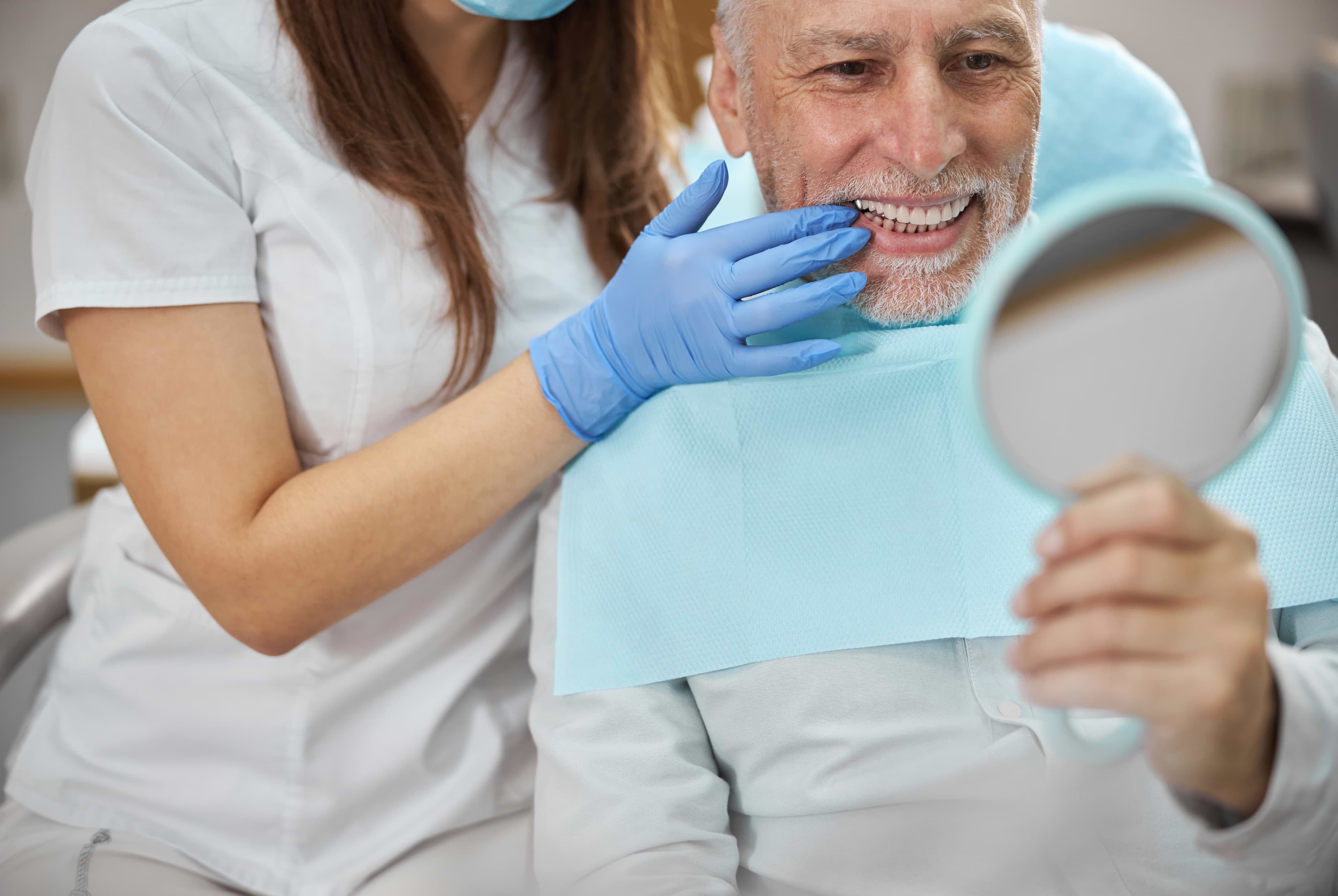
A crown can stop matching the teeth around it because natural teeth change color over time, while a crown does not respond to whitening. The usual fix is a new crown that matches today’s shade, and the implant underneath can stay in place.
Implant crown color mismatch is common with older restorations. Understanding why it happens, how a replacement crown is made, and how to care for it makes the next step easier to plan and the new crown easier to look after.
Why Crowns and Natural Teeth Drift Apart
Natural teeth do not stay the same shade. According to the American Dental Association, the outer enamel thins with age so more of the yellowish dentin shows through, and coffee, tea, red wine, and some medications can darken teeth.
A crown does not follow those changes. The same source states that whitening will not work on caps, veneers, crowns, or fillings, and the NHS notes that whitening can only lighten natural teeth.
Replacing the Crown, Not the Implant
A dental implant has three parts. The threaded post acts as an artificial tooth root, the abutment connects the post to the crown, and the crown is the visible tooth, according to Cleveland Clinic.
Implants can often last a lifetime with brushing, flossing, and regular dental visits, while crowns and bridges most often last about 15 years. The restoration may need to be replaced at some point, even though the implant itself stays.
The Steps for a Replacement Crown
A replacement crown follows a short sequence.
The existing implant is evaluated, and a digital scan is taken for the new crown.
The bite and fit are checked before the crown design is finalized.
The custom crown is placed and adjusted for a comfortable fit.
Hygiene and long term care tips are shared.
Care after placement keeps the new crown and the surrounding gums healthy.
Planning Around Whitening
Because whitening only lightens natural teeth, any plan to brighten the smile affects how well a crown matches. The American Dental Association advises talking to a dentist before whitening, since whiteners may not correct every type of discoloration.
The NHS adds that a dentist should check that the teeth and gums are healthy before whitening begins. It also warns that overusing whiteners can damage enamel or gums, so directions should be followed closely.
Caring for a New Implant Crown
A few everyday habits help a new crown and the gums around it stay healthy.
Brush and floss around the implant crown just as with a natural tooth, with extra attention to the gumline.
Call the dental office about bleeding or swollen gums around the implant, as Cleveland Clinic advises.
Keep up regular dental visits, which Cleveland Clinic lists alongside brushing and flossing as part of long-term care.
Have a loose or damaged crown checked quickly to protect the implant underneath it.
Implant Restoration at Landmark Smiles in Glen Burnie, MD
At Landmark Smiles in Glen Burnie, MD, we provide implant restorations, including new implant crowns and repairs. We can also complete the restoration for an implant that was placed elsewhere.
A clear cost estimate is given at the consultation, which can also show whether a replacement crown is the right step for an older crown that no longer matches.
Implant Crown Care in Glen Burnie
Implant crown color mismatch is usually a question of the restoration, not the implant. Landmark Smiles in Glen Burnie, MD, provides implant restorations, including new crowns, and we can talk through options for a crown that no longer matches.