Invisalign After Braces: What to Know When Teeth Start Shifting Again
 3 Minutes Read
Discover how Invisalign can help correct shifting teeth after braces. Landmark explains causes of teeth shifting, treatment options, and how to maintain your smile.
Invisalign can often be used after braces to move teeth that have shifted, especially when the movement is minor and the teeth are otherwise healthy. Larger changes may need a longer plan or a different appliance, which a consultation can clarify.
Teeth moving after orthodontics does not mean the earlier treatment failed. A retainer that no longer fits is often the first sign. Invisalign after braces starts with a new digital scan, then moves the teeth back toward their intended position in small steps.
How Invisalign After Braces Works
Retreatment follows the same general path as a first round of Invisalign, and the plan is built around the teeth that have moved. The usual sequence has five steps.
A consultation reviews the current position of the teeth, the bite, the goals for the smile and the treatment done before.
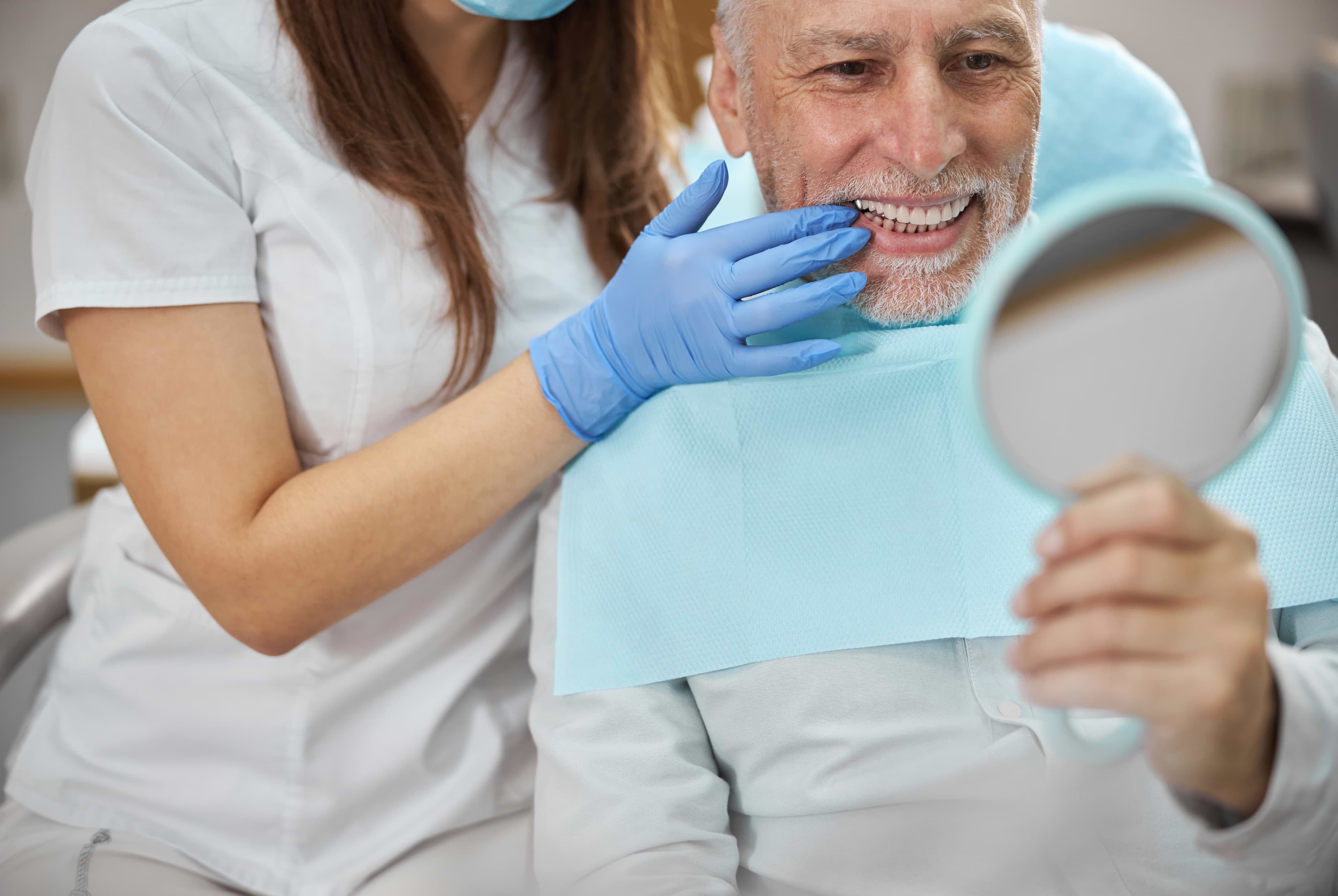
A digital scan captures the teeth in three dimensions and replaces traditional impression trays.
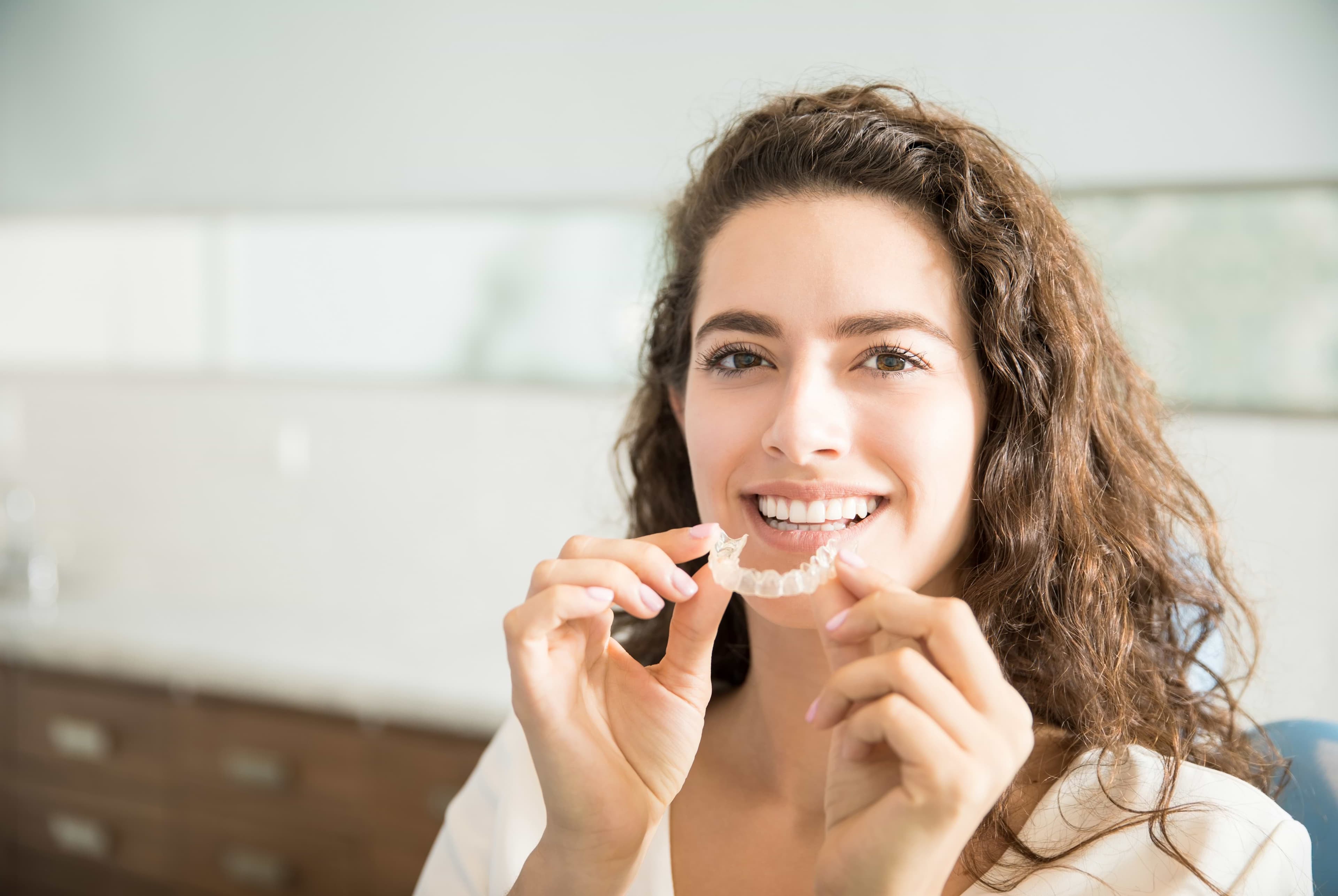
Custom clear aligners are made from the scan so that each set fits the current shape of the teeth and moves them a small amount.
The aligners are worn on the schedule given, with regular checkups to track progress. Digital scanning supports each stage, from planning through progress checks.
A retainer is fitted at the end of treatment to hold the new position.
A new scan is used because the teeth no longer sit where they did when the braces came off. The plan is built from where the teeth are today.
When Invisalign Suits Shifted Teeth
The amount of movement decides the approach, and the starting question is how far the teeth have moved from their finished position. Jaw shape and gaps between teeth can also let teeth drift more easily, since they have less support.
Minor Shifting
The American Association of Orthodontists notes that some patients with shifted teeth need only a short course of braces or clear aligners before returning to retainers.
Clear aligners after braces are one of the options for this kind of limited movement. Landmark Smiles lists crowding, gaps, misaligned teeth and certain bite concerns among the issues its Invisalign treatment can address.
Larger Movement
In severe cases, another full round of orthodontic treatment may be needed. Some complex cases can call for traditional braces or additional treatment, which is why the consultation and scan come before any plan is set.
Retainers Hold the Final Position
Braces and aligners move teeth, while retainers keep them there. A retainer cannot apply the steady force needed to move teeth. Skipping one, even for a few days, can allow noticeable shifting, and each day without it allows further movement.
When a retainer feels tight or stops fitting, the teeth have usually moved, and adjusting the old one will not make it fit. A new retainer is made instead, and the process depends on the type.
A removable retainer is made from an impression or scan, and a dental lab usually needs a week or longer.
A fixed retainer is bonded in the office, so there is no lab wait.
A lost or broken retainer should be replaced promptly, because teeth can keep shifting without it.
The dental team chooses between adjusting the existing retainer and making a new one, based on how far the teeth have moved.
Invisalign After Braces at Landmark Smiles in Glen Burnie, MD
Understanding Invisalign after braces helps in choosing a next step when teeth shift. Landmark Smiles in Glen Burnie, MD offers Invisalign planned from a digital scan, and a consultation with Dr. Nick Bennett or Dr. David Harris can show whether aligners suit the shifting.